Kerman Kebab is part of the ambitious and truly unique Beliy Mys destination, where each restaurant is conceived as a tribute to a different Russian winery.
Информация
Заказчик
Hurma Group
Старт проекта
17.03.2024
Срок выполнения
2 years and 2 months
Город
Gelendzhik
Категория
resto
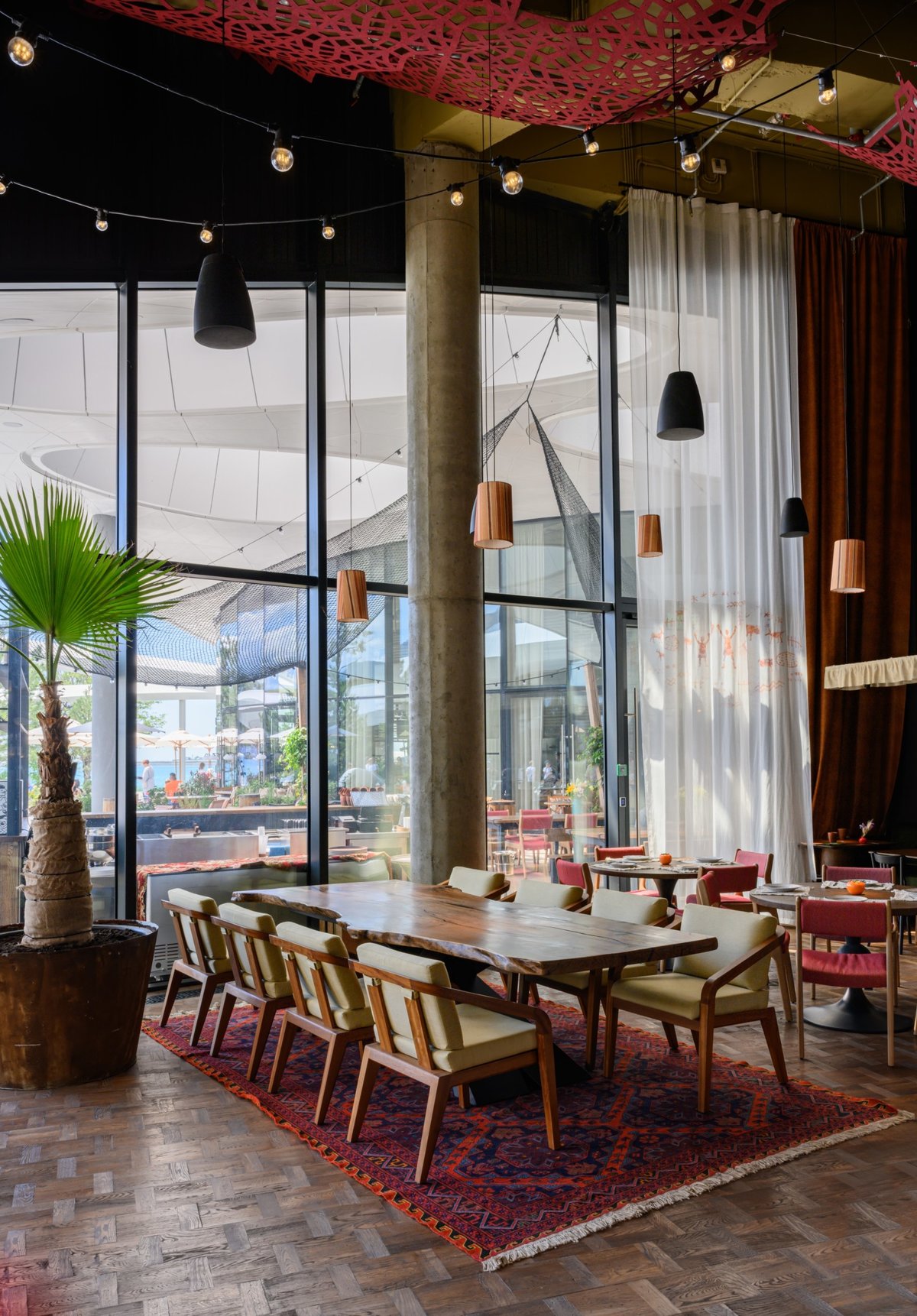
Kerman Kebab is part of the ambitious and truly unique Beliy Mys destination, where each restaurant is conceived as a tribute to a different Russian winery. At Kerman Kebab, the vibrant flavors of the Middle East are thoughtfully paired with the wines of Inkerman, creating a dialogue between cuisine, culture, and place.
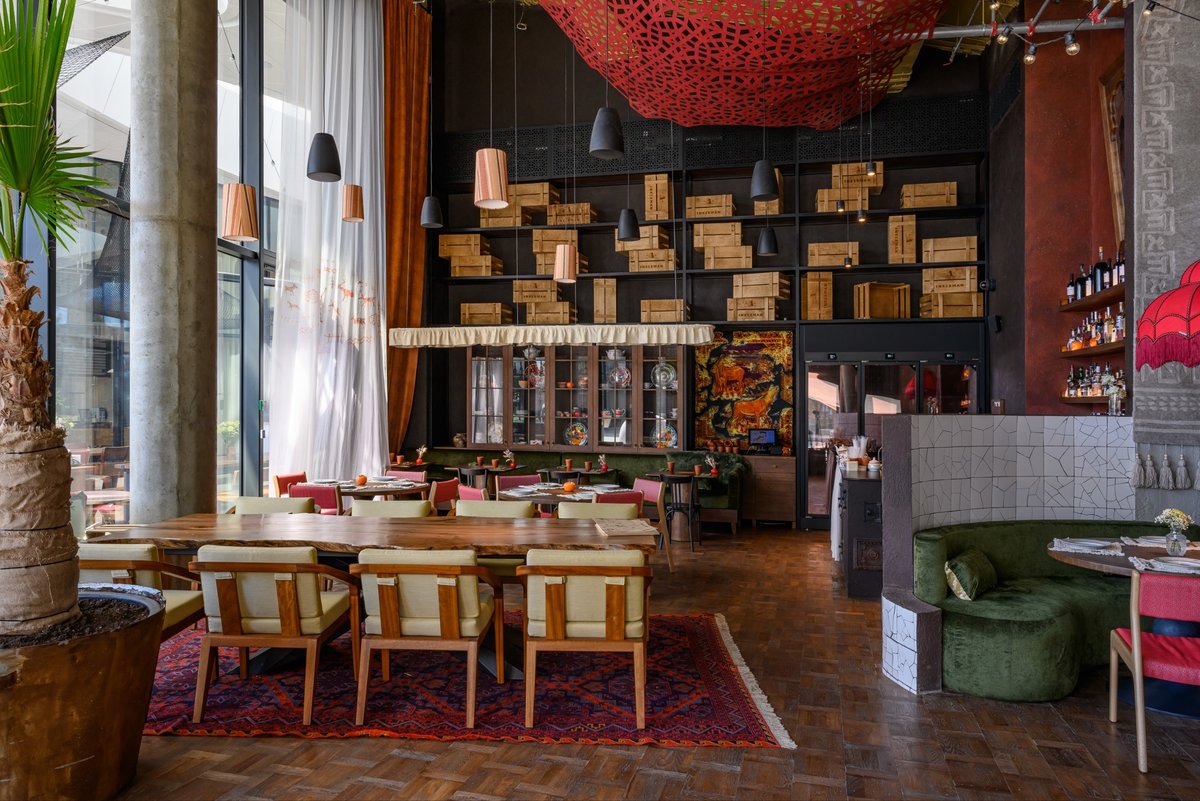
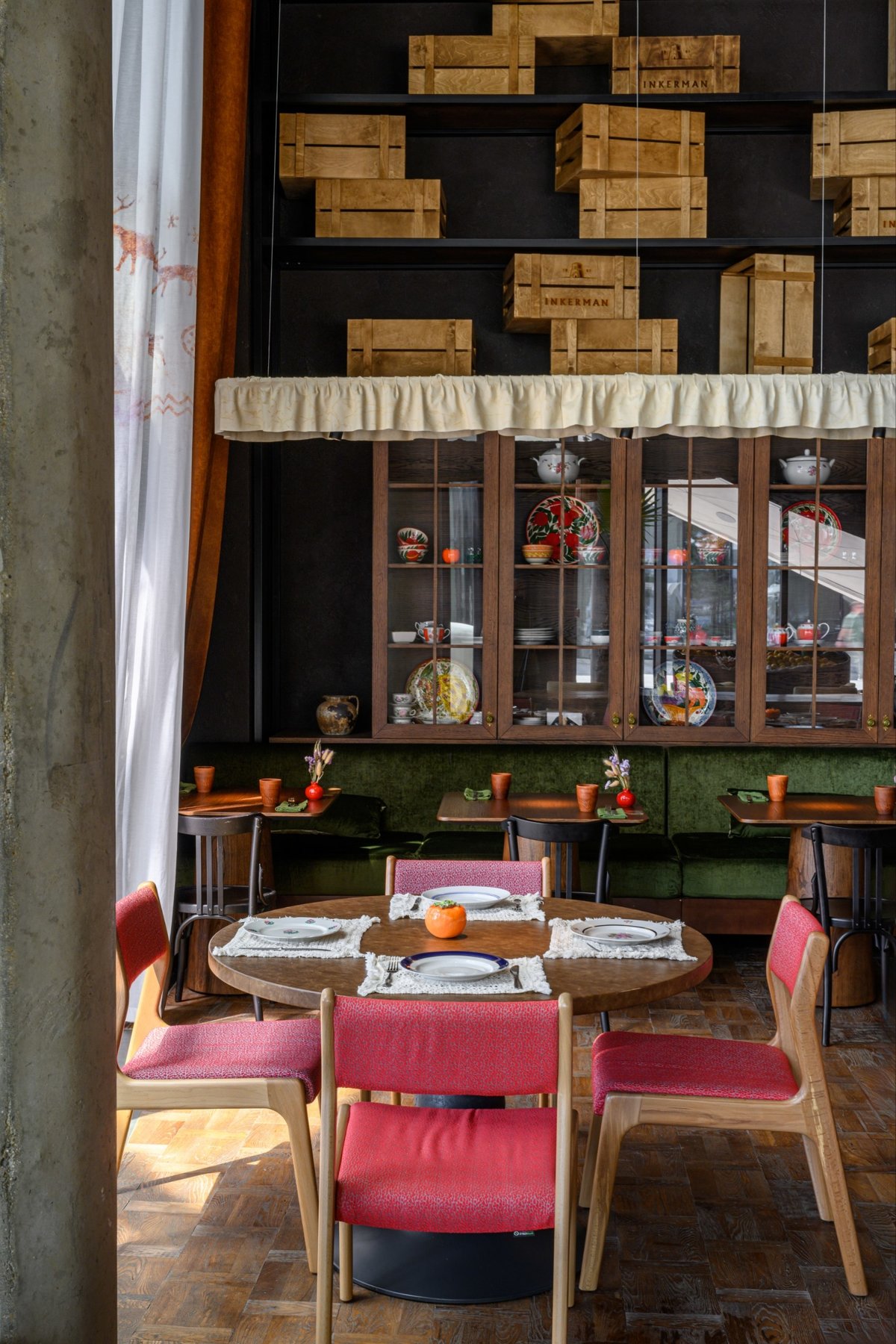
Rather than relying on a literal interpretation of its inspiration, the interior is rooted in an emotional memory of a warm and welcoming southern home. Stepping inside feels like arriving at the house of a distant relative—Uncle Ashot—whose colorful life is reflected in a collection of family stories, bustling bazaars, generous feasts, and objects that bear the marks of time. The space draws from Central Asian influences while avoiding theatricality; every element feels authentic, as though it has lived a long life before naturally finding its place here.
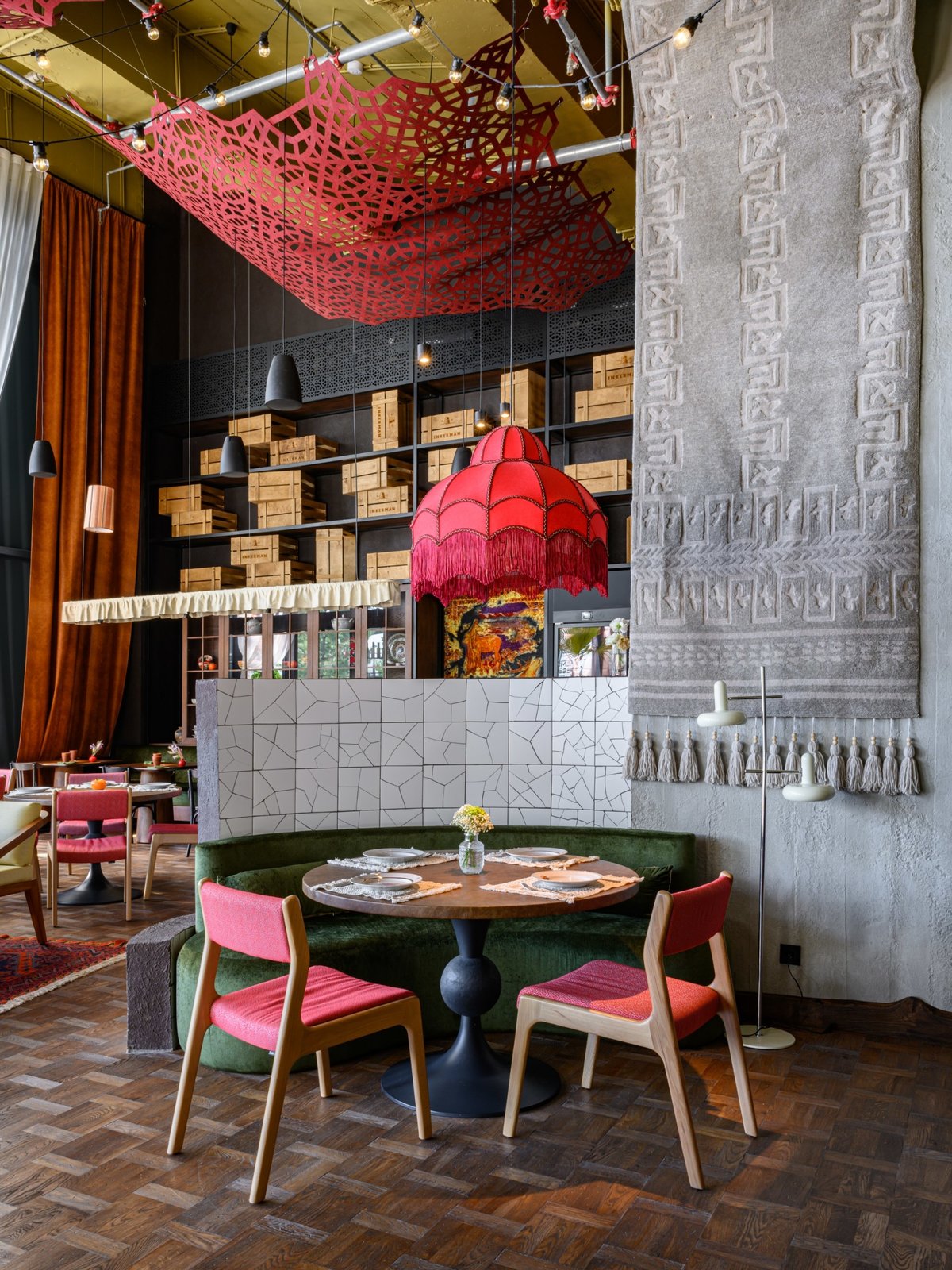
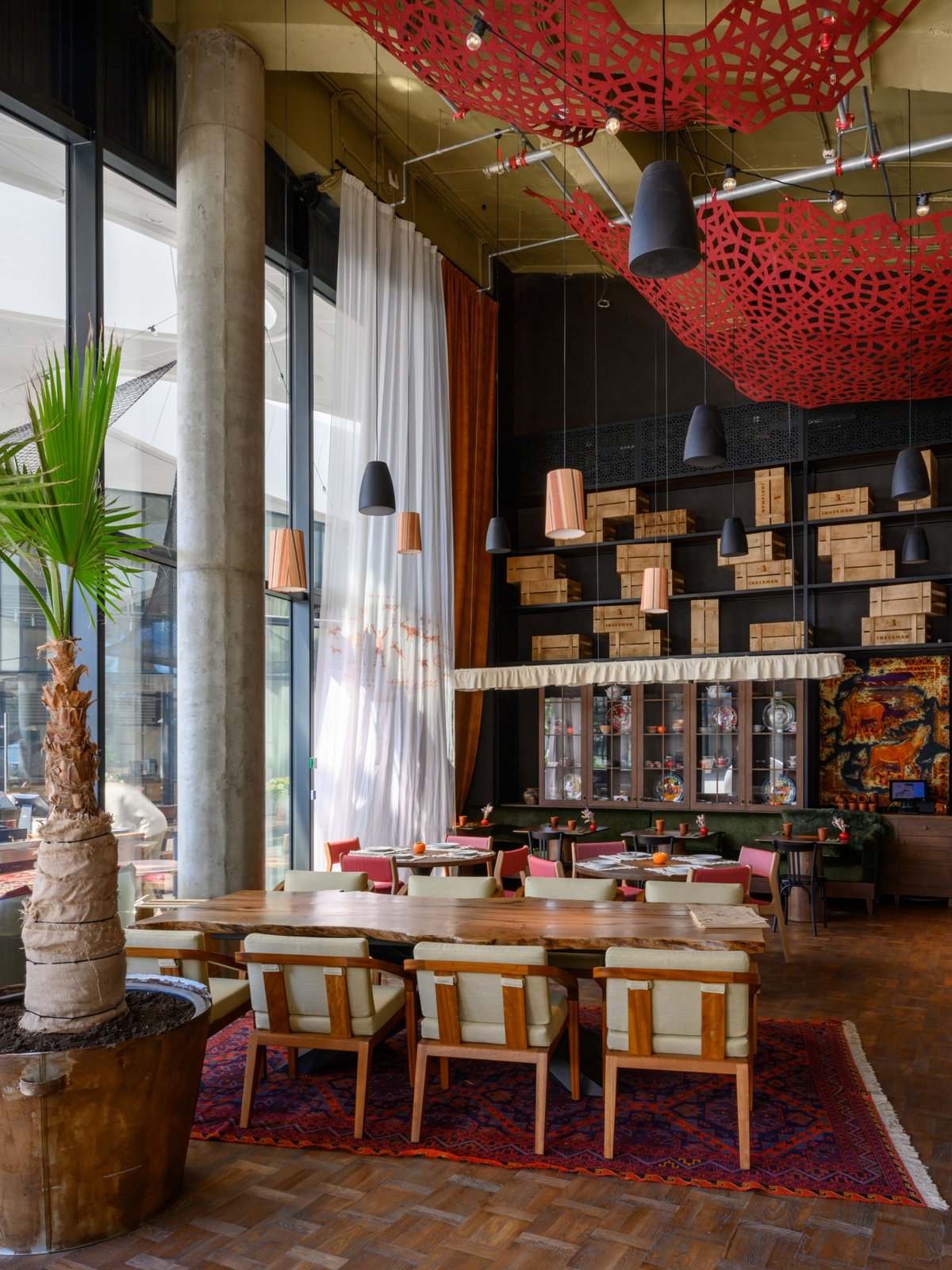
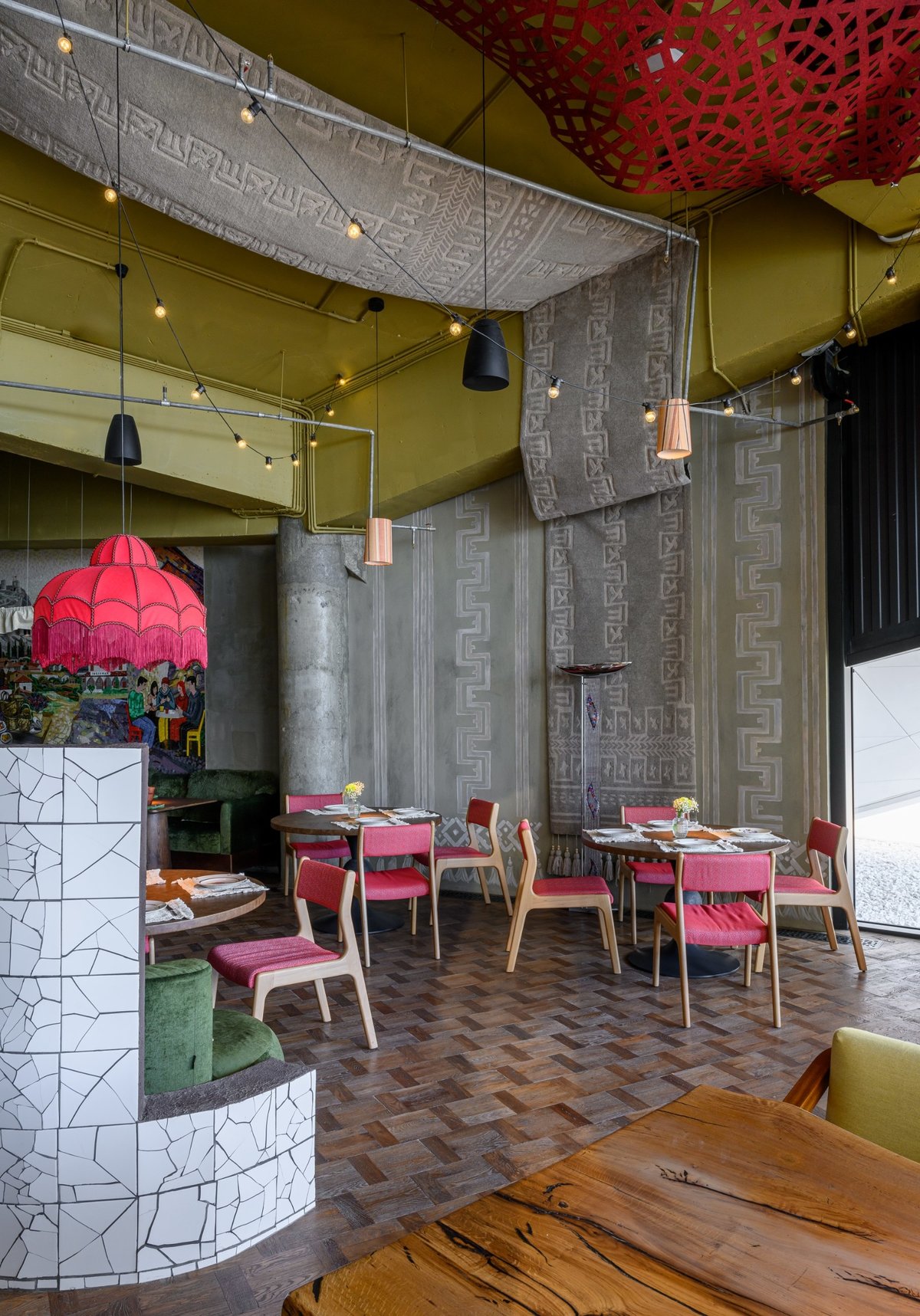
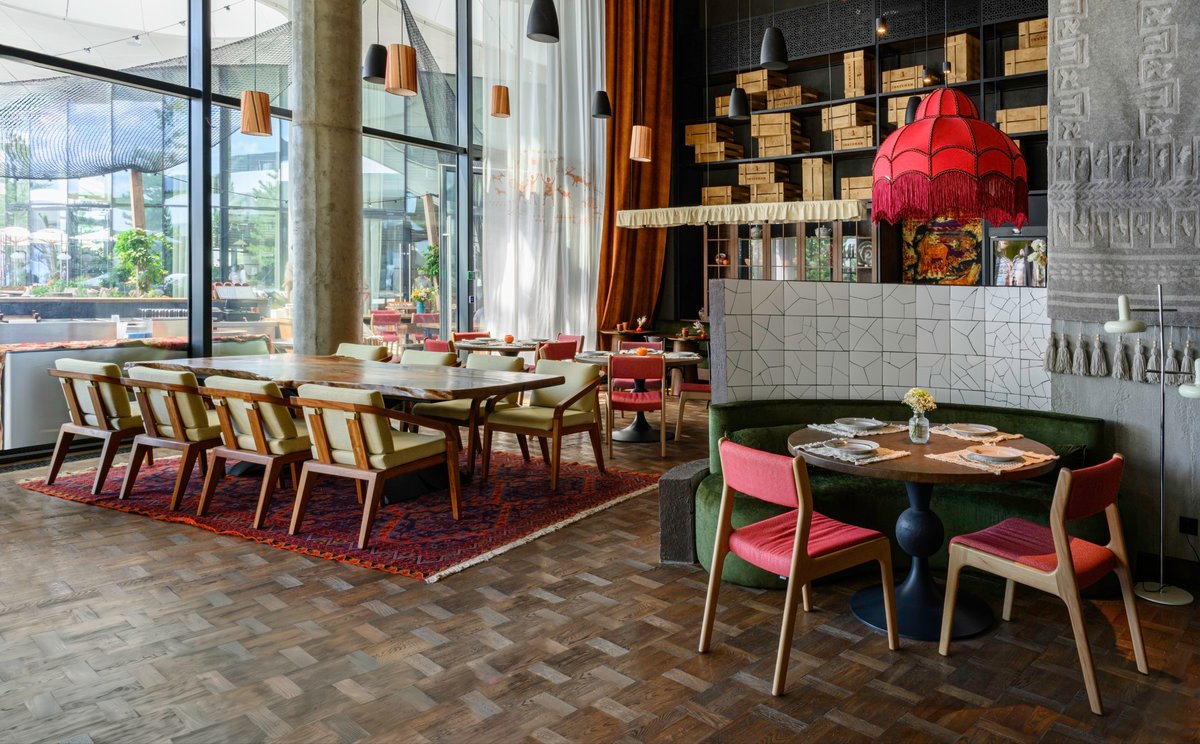
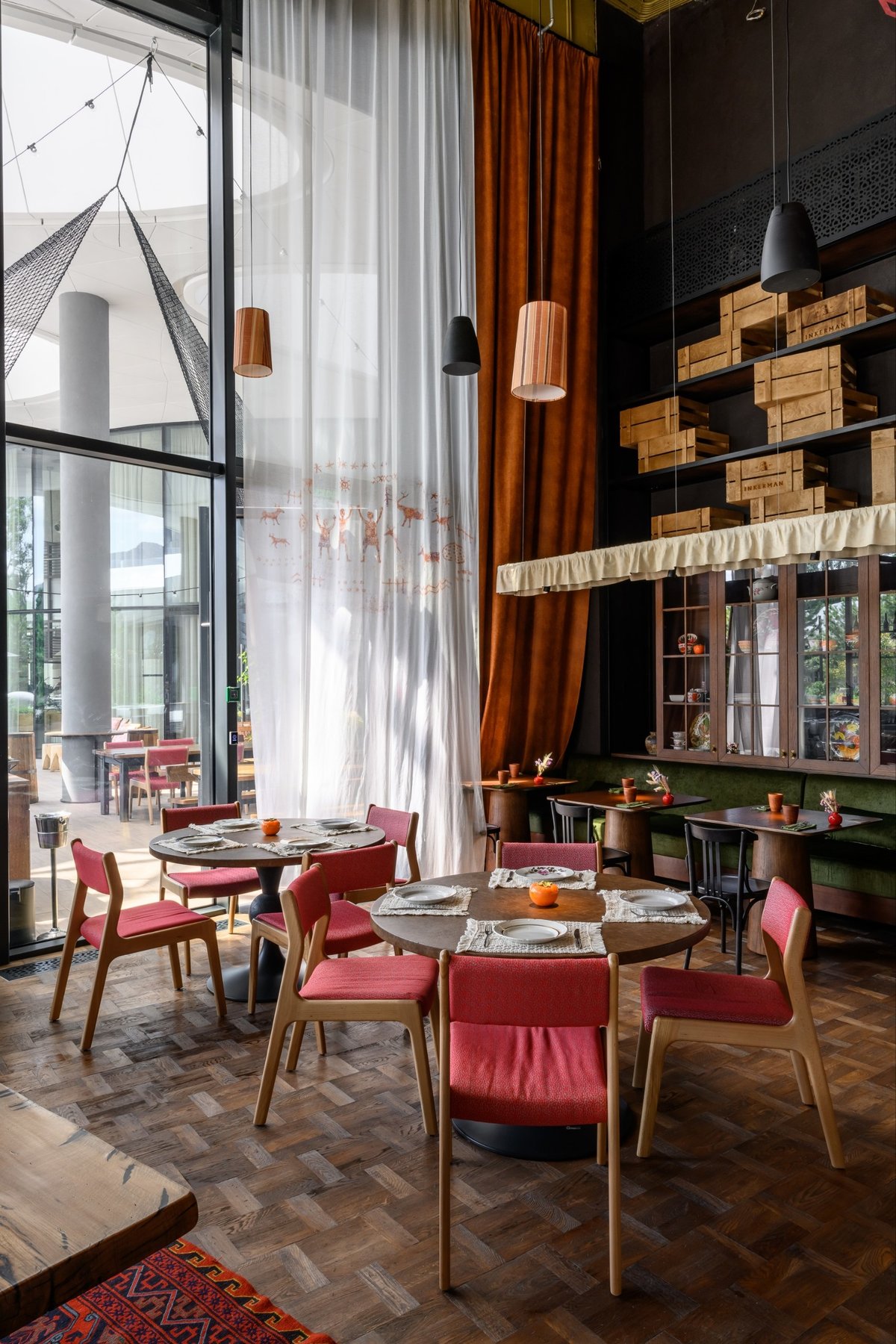
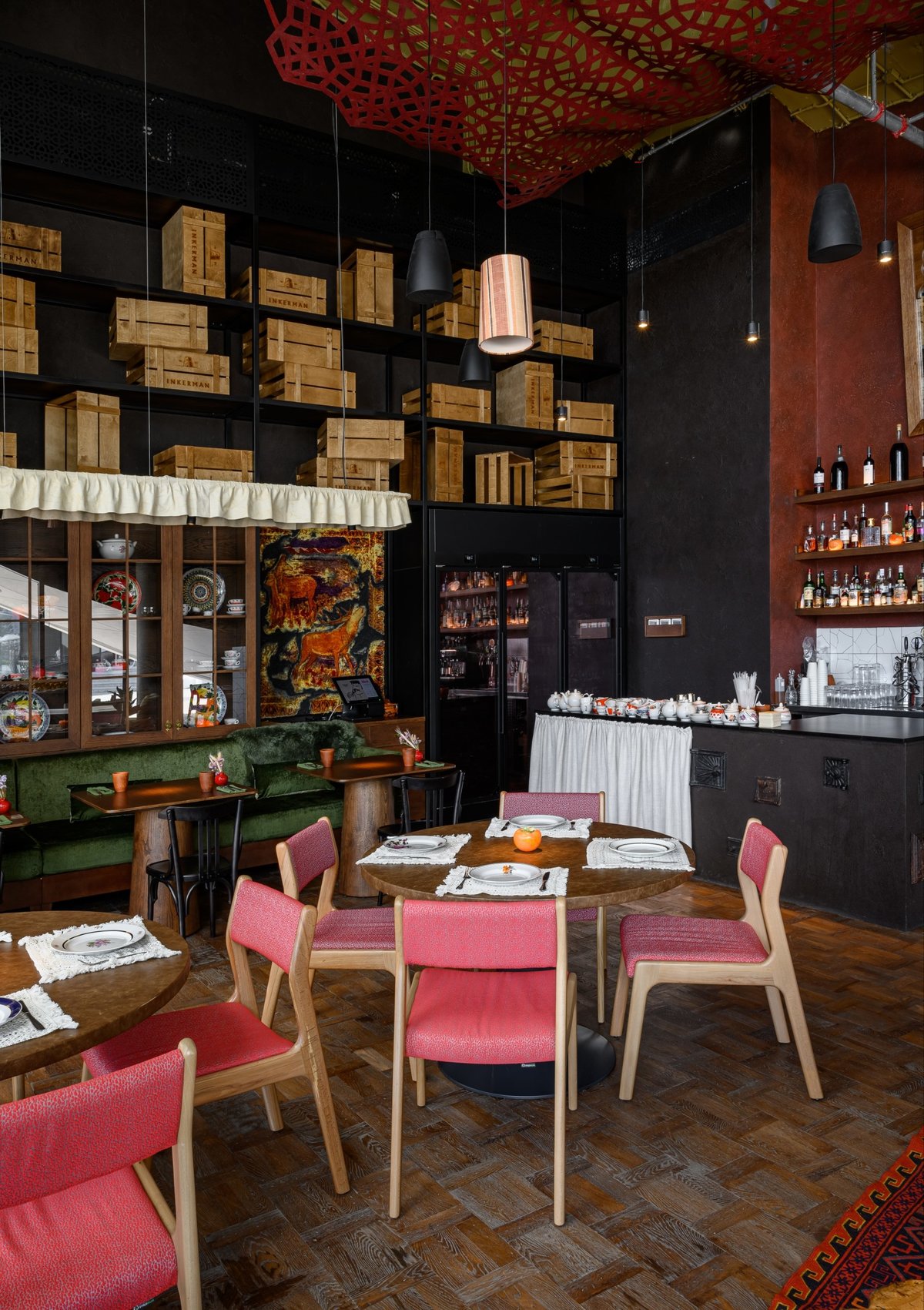
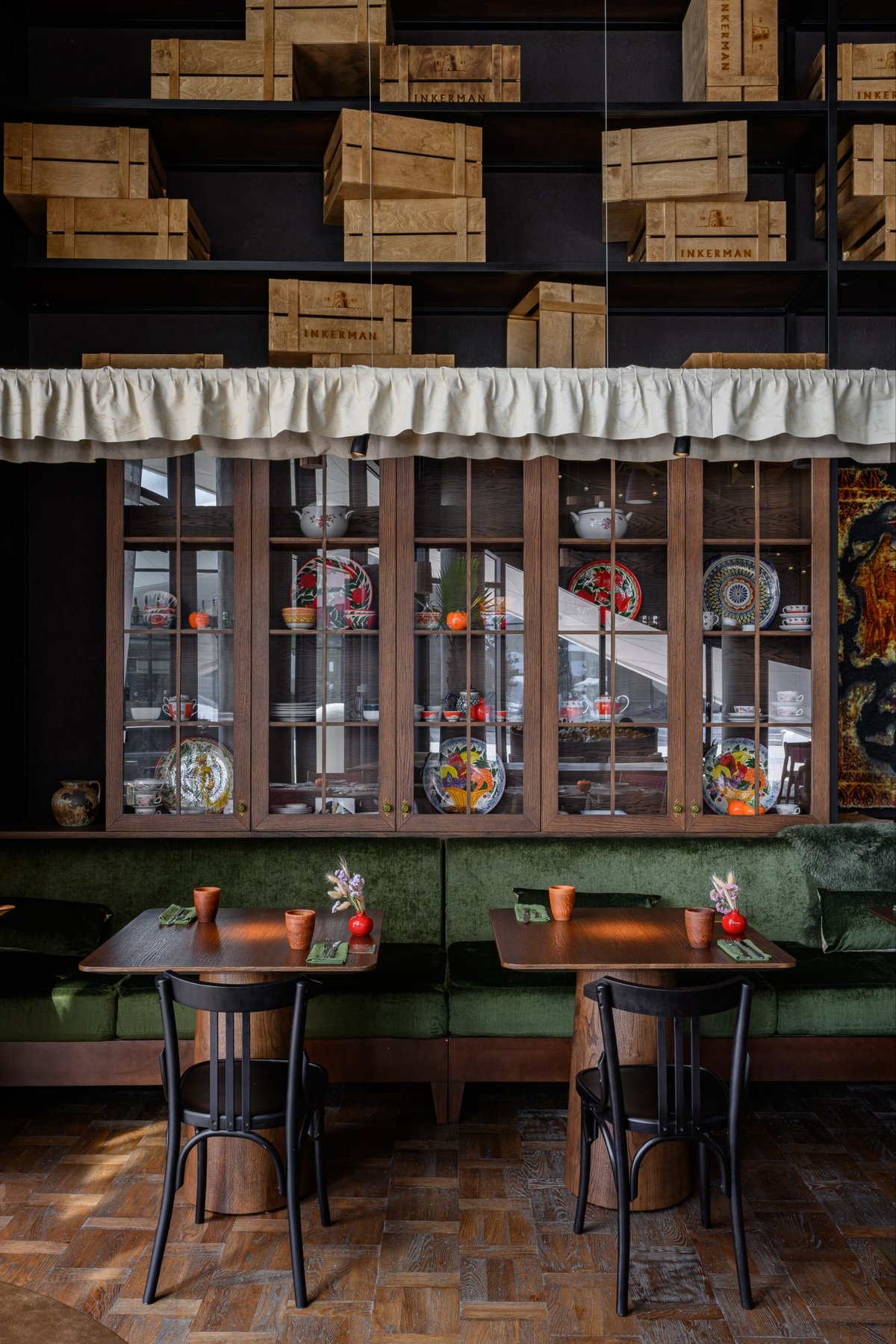
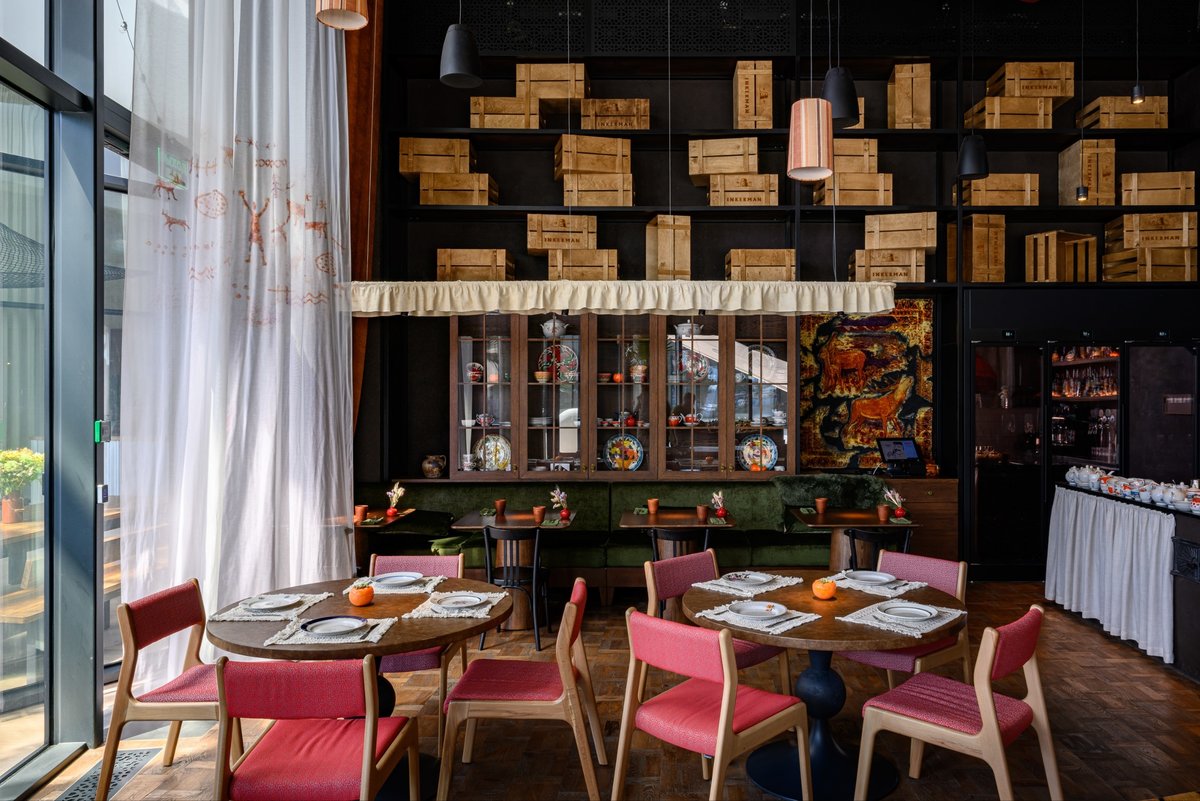
Among the most memorable features is a wall carpet depicting a deer—an almost archaeological artifact that appears as if it had been unearthed and carefully restored. It serves as a portal into the collective memory of several generations.This narrative continues through a series of thoughtful details: the upholstery on the chairs is made from original GAZ-24 Volga automotive fabric, while vintage Soviet wall units behind the banquettes display retro porcelain sets familiar to anyone who grew up in a post-Soviet home.
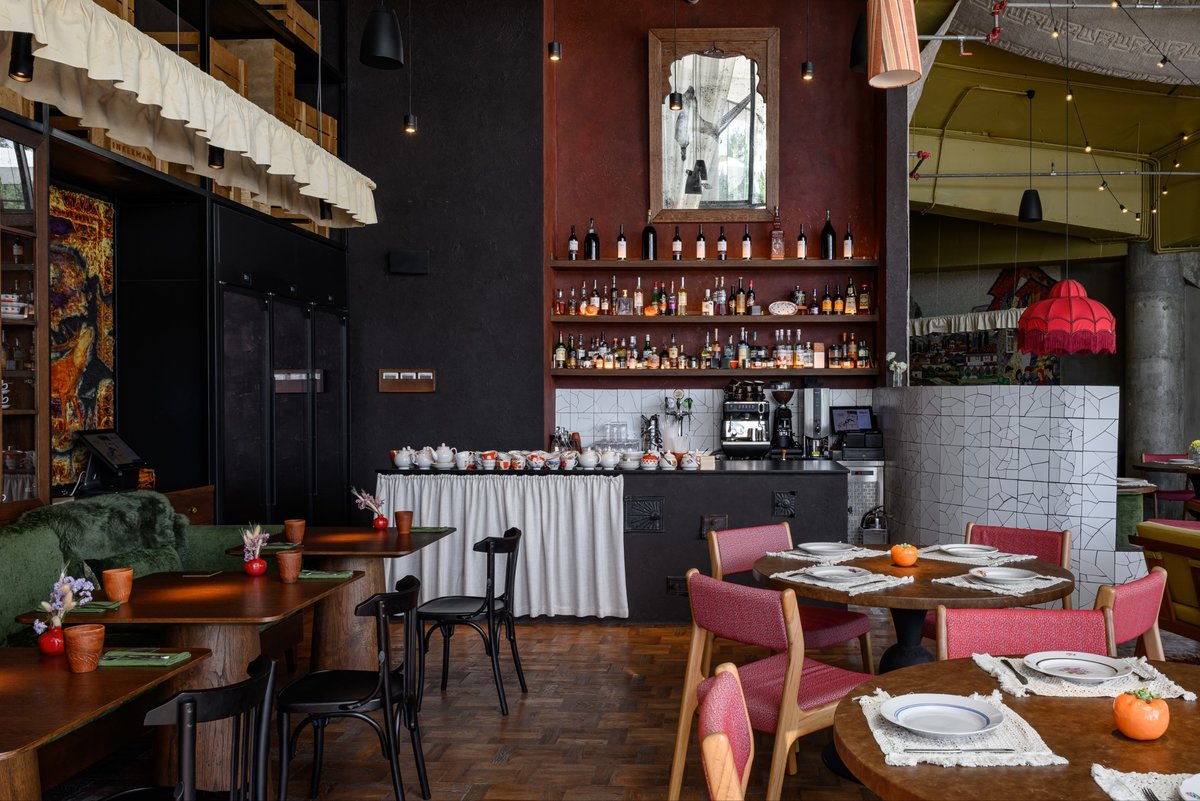
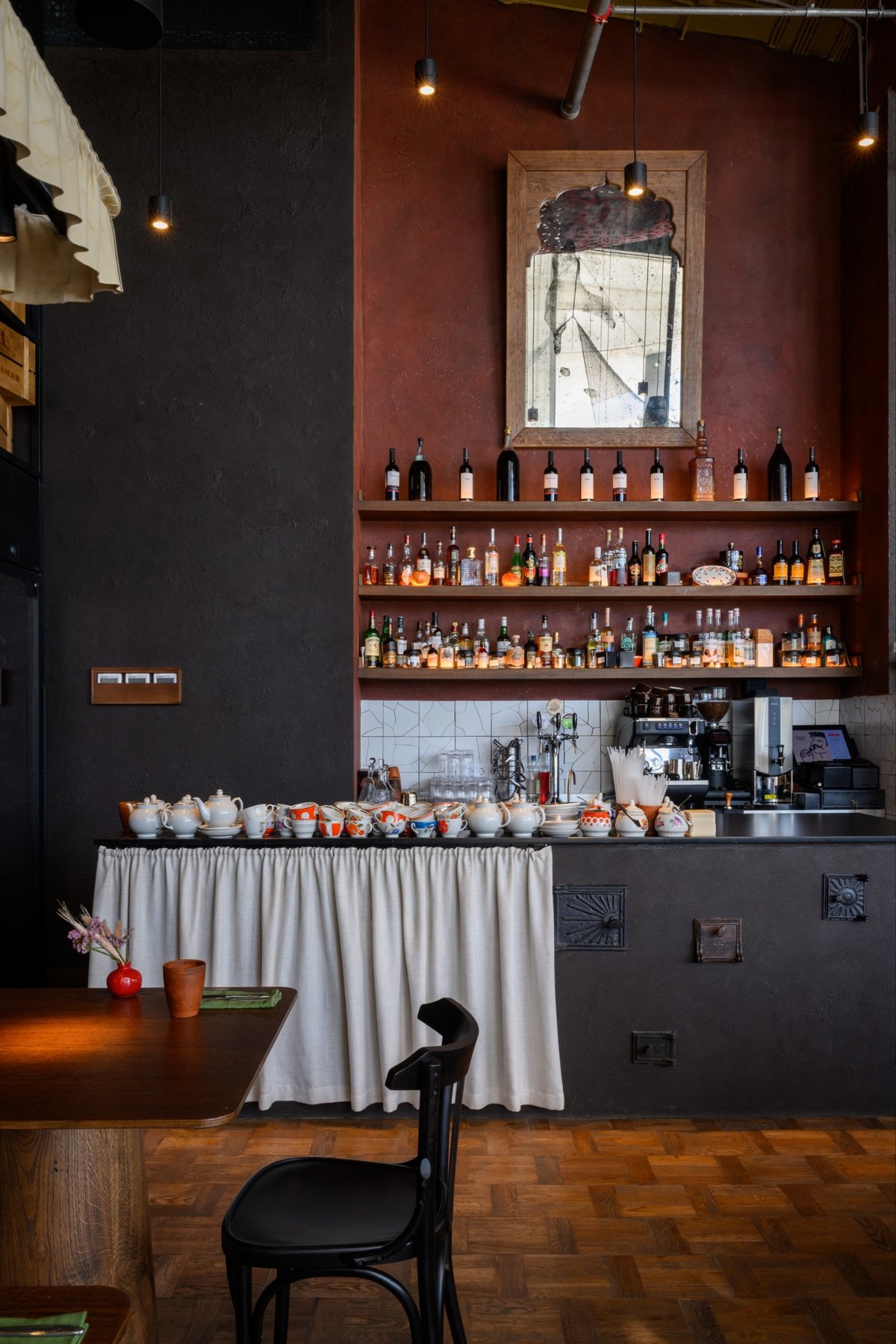
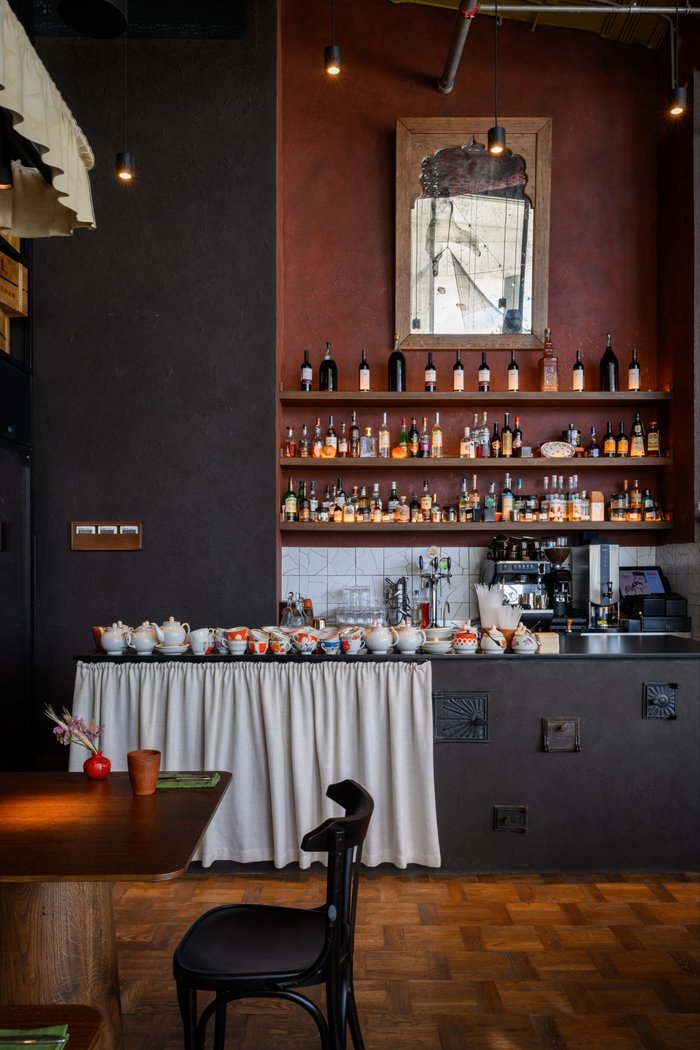
The bar serves as the heart of the restaurant. At once a bar counter and a domestic hearth, it resembles a traditional stove fitted with cast-iron doors—a gathering point around which the life of the space unfolds.
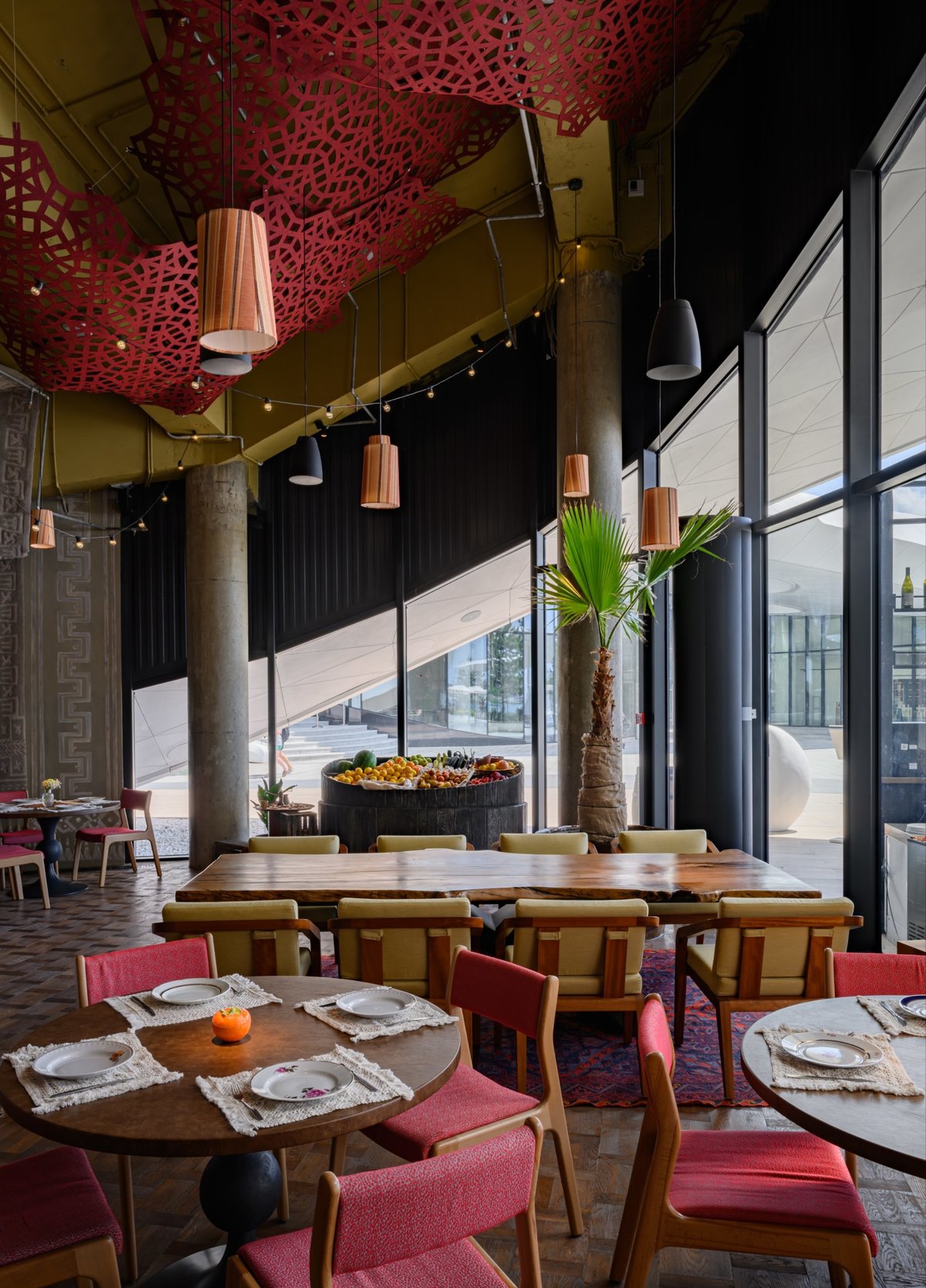
At the entrance, guests are welcomed by an improvised market display stocked with fresh produce available for purchase, alongside a station dedicated to traditional Turkish coffee. Together, these elements evoke the generosity of southern bazaars, where the boundary between street and home is delightfully blurred and hospitality becomes an architectural principle.
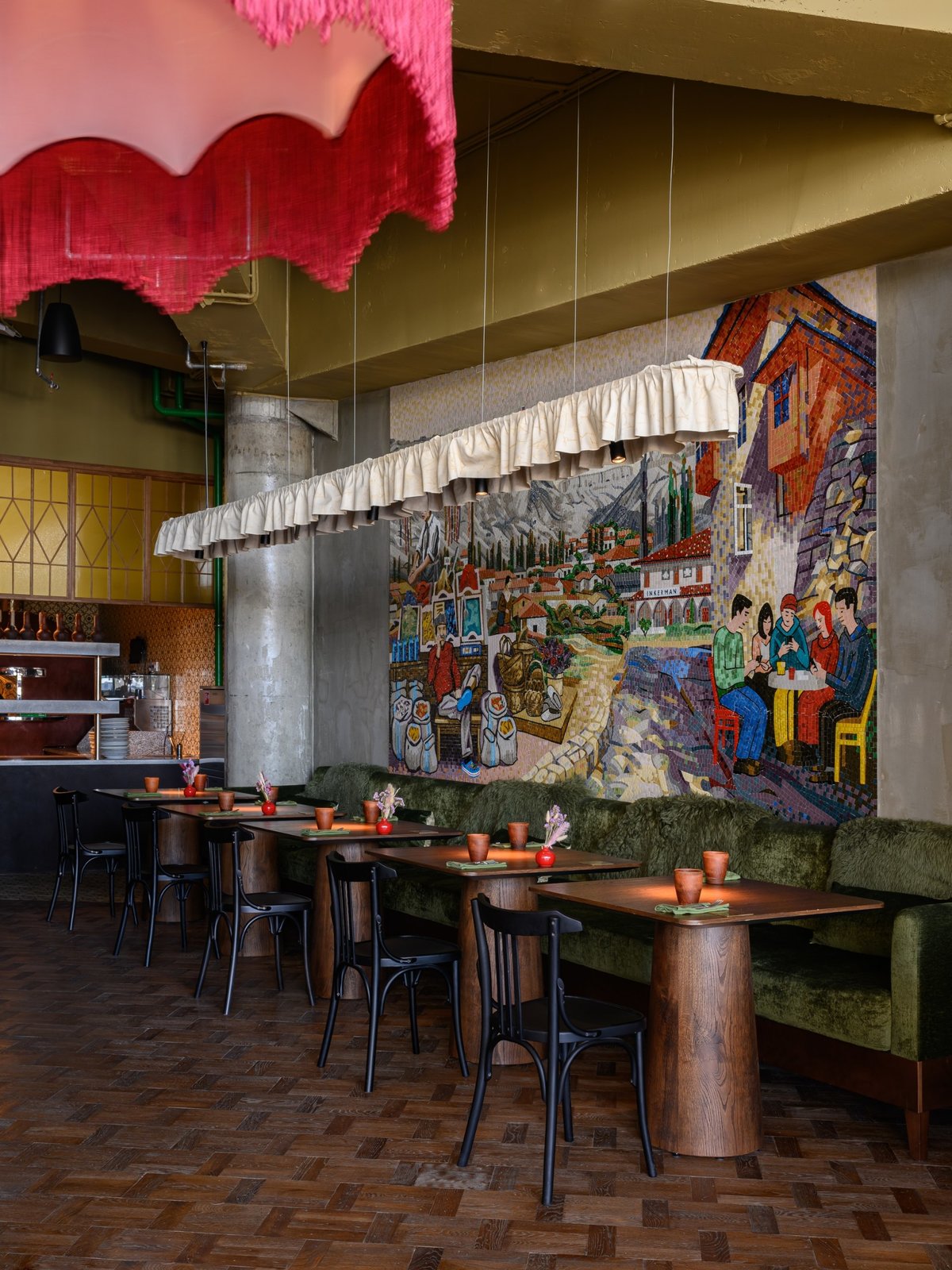
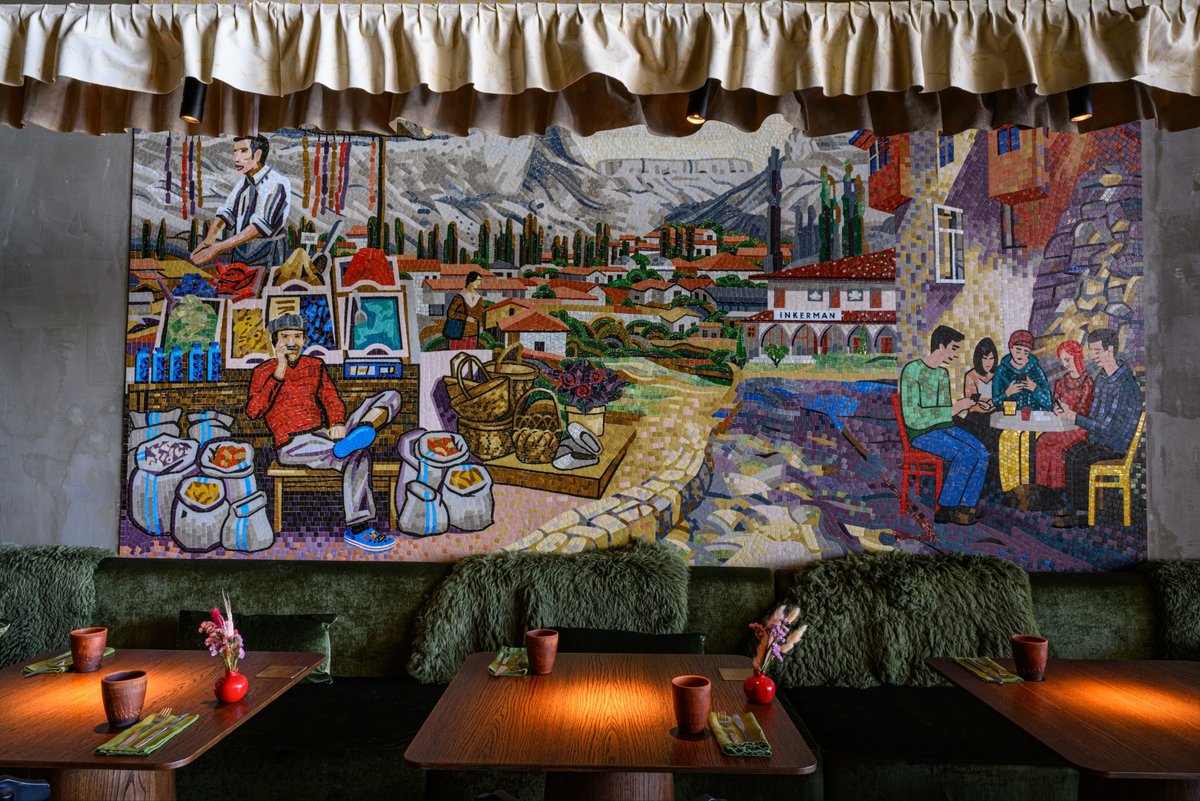
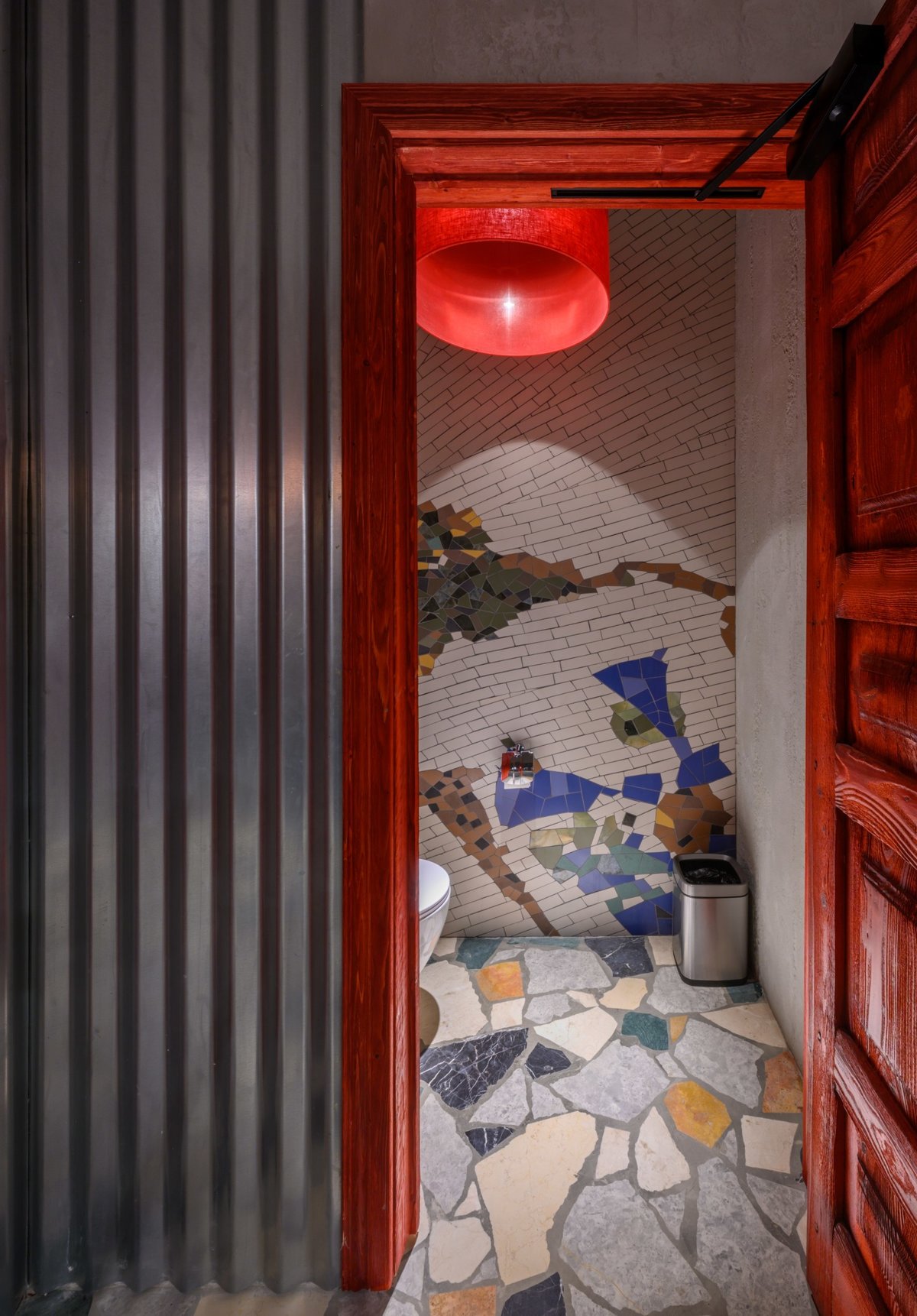
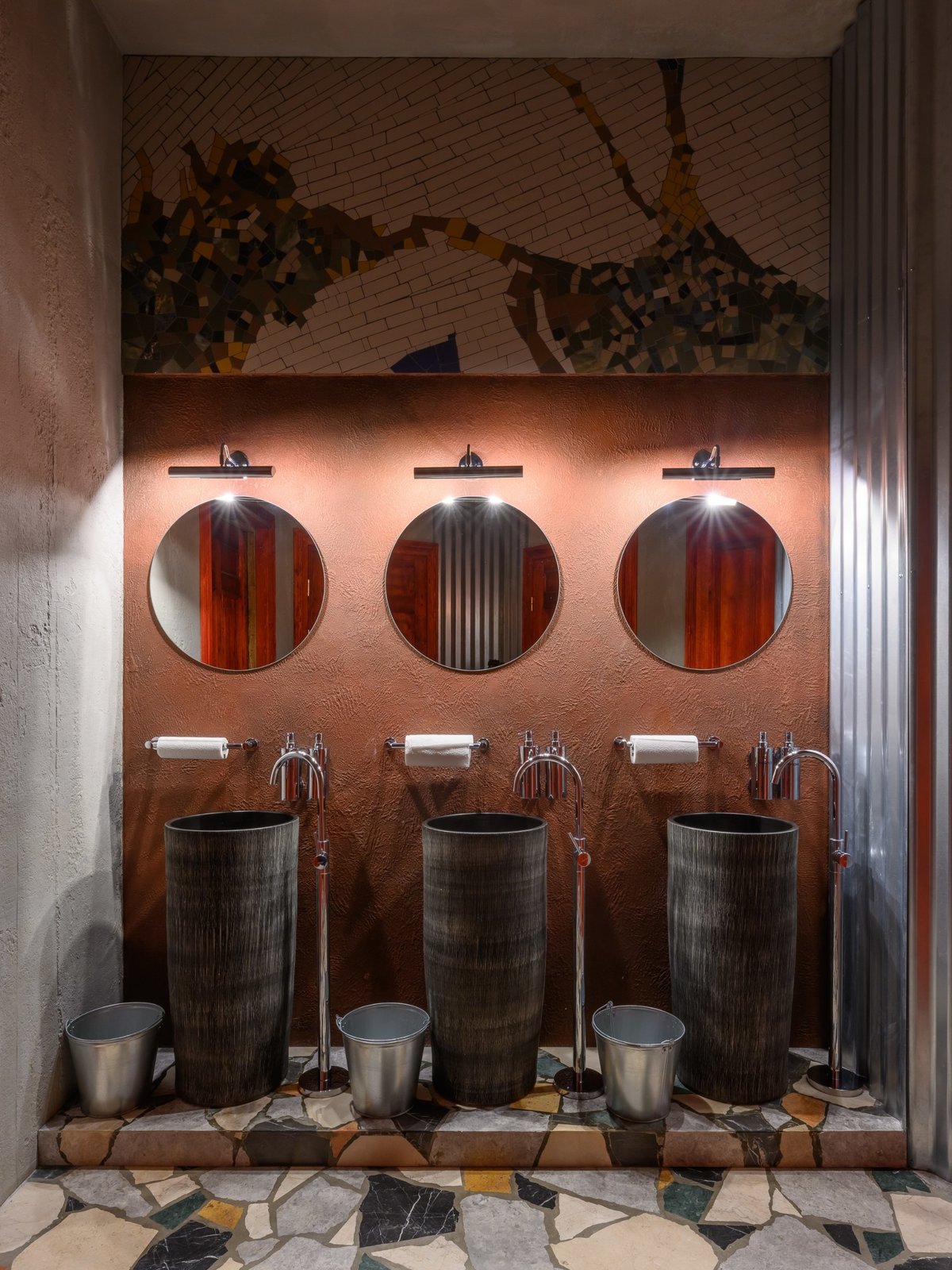
One of the interior’s defining features is a large mosaic mural—a nostalgic homage to the public spaces of the former Soviet republics. While the technique is deeply traditional, the imagery feels contemporary, creating a compelling dialogue between past and present.
The sheer curtains are printed with motifs inspired by ancient cave drawings, depicting archetypal figures: the provider, the keeper of the hearth, and the individual whose connection to land and tradition sustains the family.
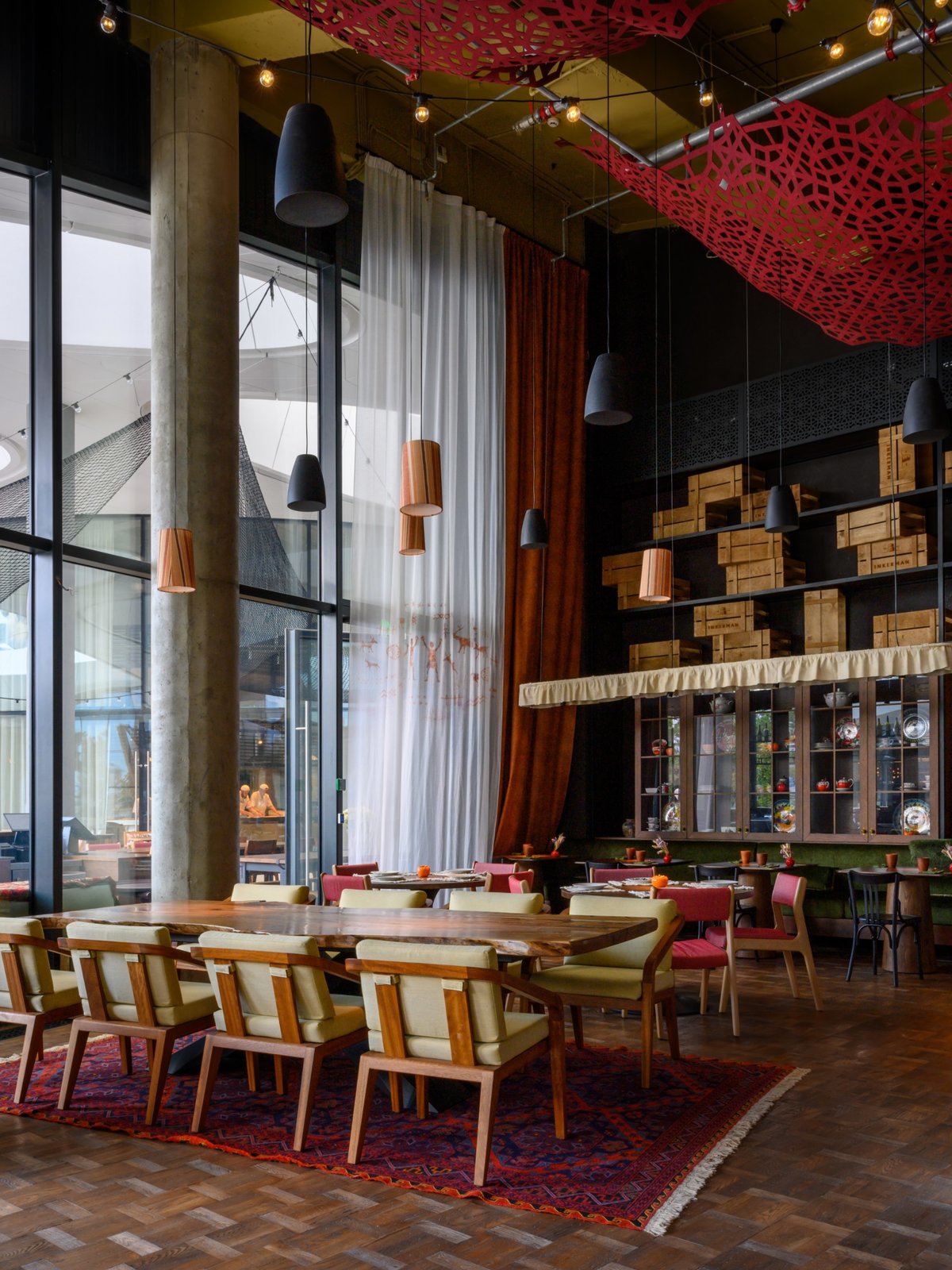
Layering plays a crucial role throughout the interior. Lampshades, fur throws, patterned wallpaper, carpets, and richly textured fabrics create a sense of warmth and familiarity, as though the space had evolved organically over decades rather than being designed all at once. Golden light seems to spill through the kitchen transoms, strings of festoon lights lend a festive atmosphere, and the overall composition recalls the courtyard of a southern home—a place where neighbors know one another by name, tables are effortlessly pushed together for large gatherings, and conversations continue long into the night.
The result is an interior that speaks not so much about a specific location as it does about the cultural memory of an entire region. At Kerman Kebab, Inkerman is interpreted through emotion and recollection—through the home, the courtyard, the marketplace, the hearth, and the timeless art of welcoming guests.